

A deadline you cannot argue with
A competition fixes the scope by fixing the clock. What survives is the part of the idea that actually had to exist, which is the fastest way we know to find out whether an idea has anything in it.
The competition and experimental build team inside Kanban Studios. A small group of the studio's engineers, entering hackathons, game jams and innovation challenges and building something that works before the clock runs out.
Build fast. Build things that matter. 🚀
Team Kanban is the competition and experimental build team inside Kanban Studios F.Z.E, a software and AI studio in the United Arab Emirates. A small group of the studio's engineers enters hackathons, game jams and innovation challenges, builds a working system against the deadline, and keeps the ones worth keeping. Projects span health, climate, space, agriculture, robotics and developer tooling.
90+ entered, 35+ won, and the 18 we can prove — in about the time it takes to read this sentence twice.
Kanban Studios builds production systems for organisations - CRM, automation, document intelligence, dashboards, the software a business runs its day on. Team Kanban is the same engineers on the other setting: short deadlines, unfamiliar problems, and a build that has to exist by the end of the weekend.
It is deliberately small. Nobody is assigned to a competition team and nobody hands work off inside one - whoever takes the brief writes the code. That is the same reason the studio stays lean, and it is why a competition build can be scoped, argued about, and shipped inside forty-eight hours.
The team does not build demos designed to survive a stage and nothing else. The brief is always a real problem in a real domain, and the test is whether the thing runs. Most of what comes out is thrown away. A few end up as published case studies, and one or two go further.
Result slides, prize cheques and certificates, plus the rooms they were won in. Each caption says only what is readable in the frame - where a photo does not show a result, it does not claim one.
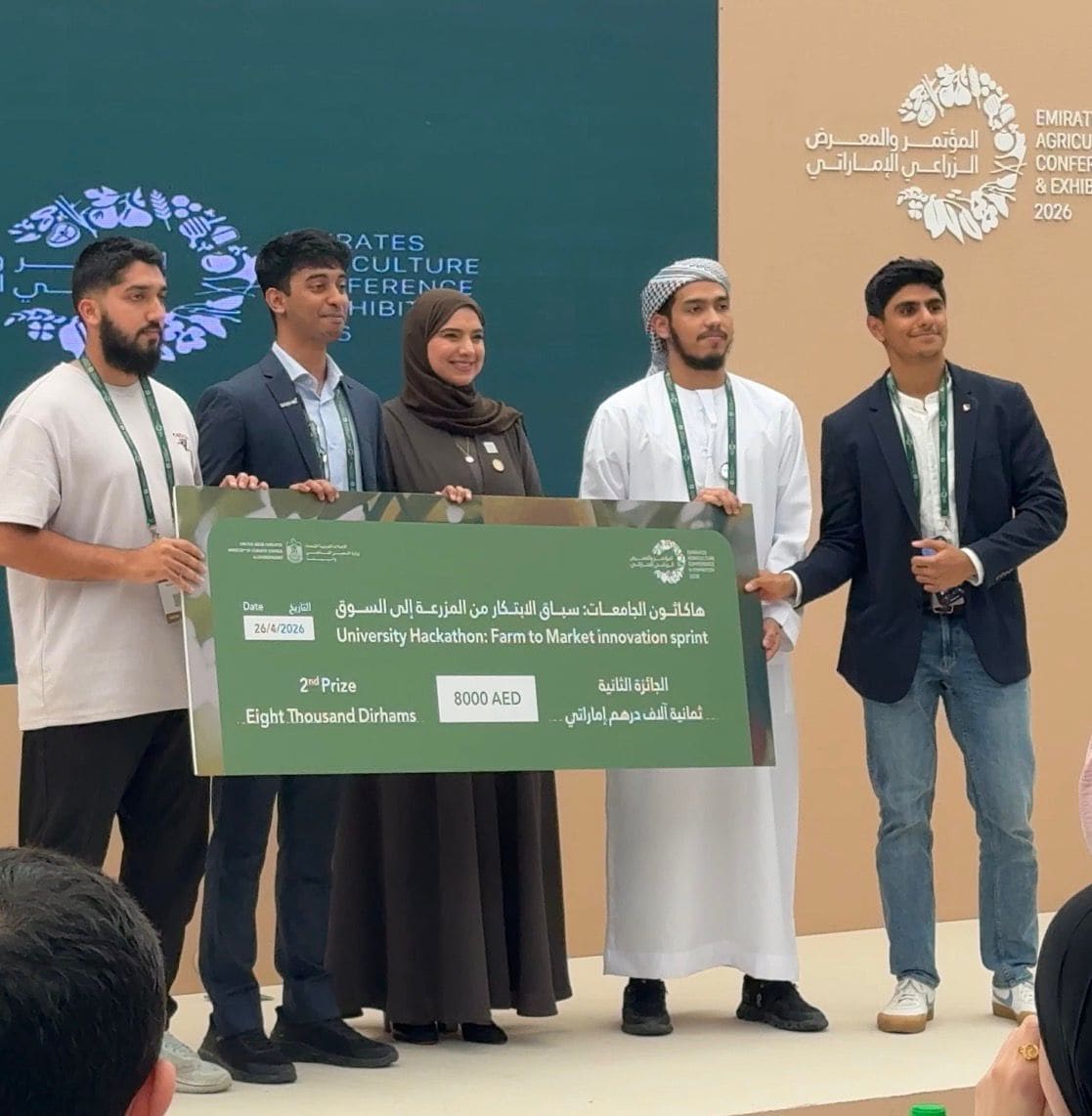
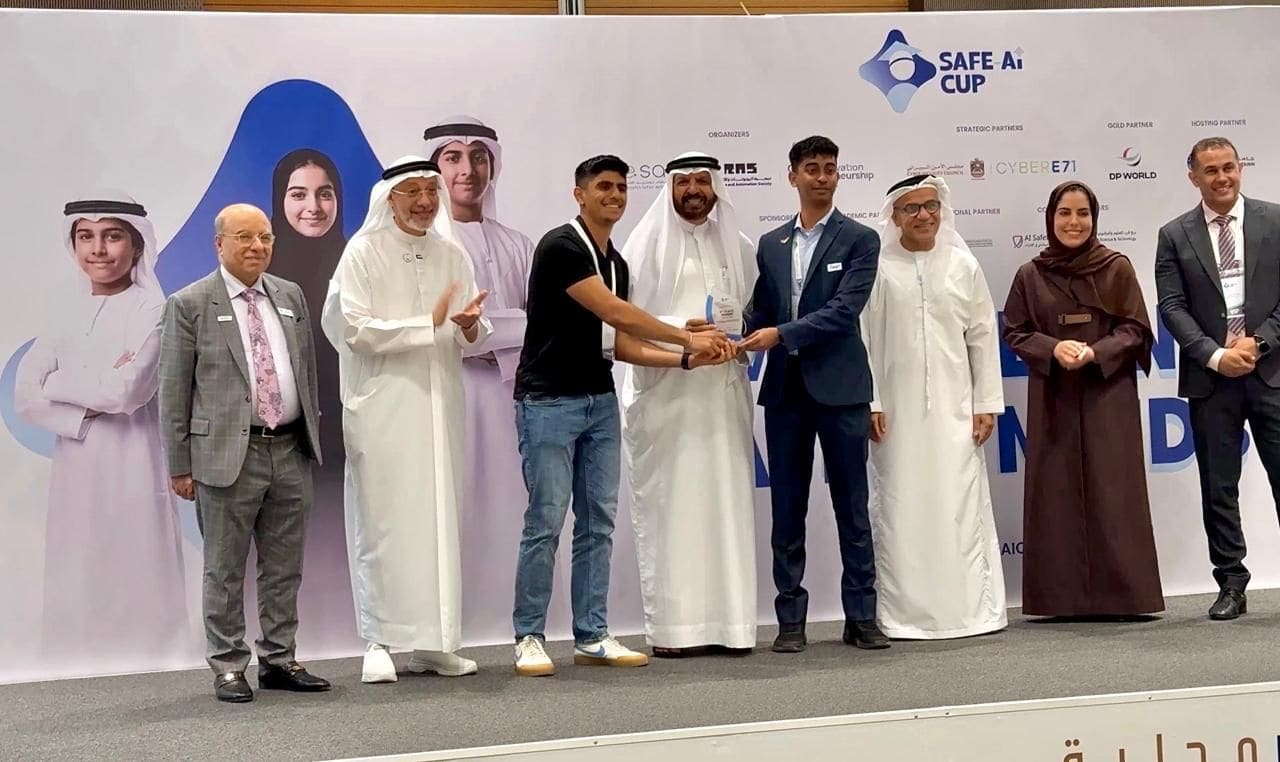
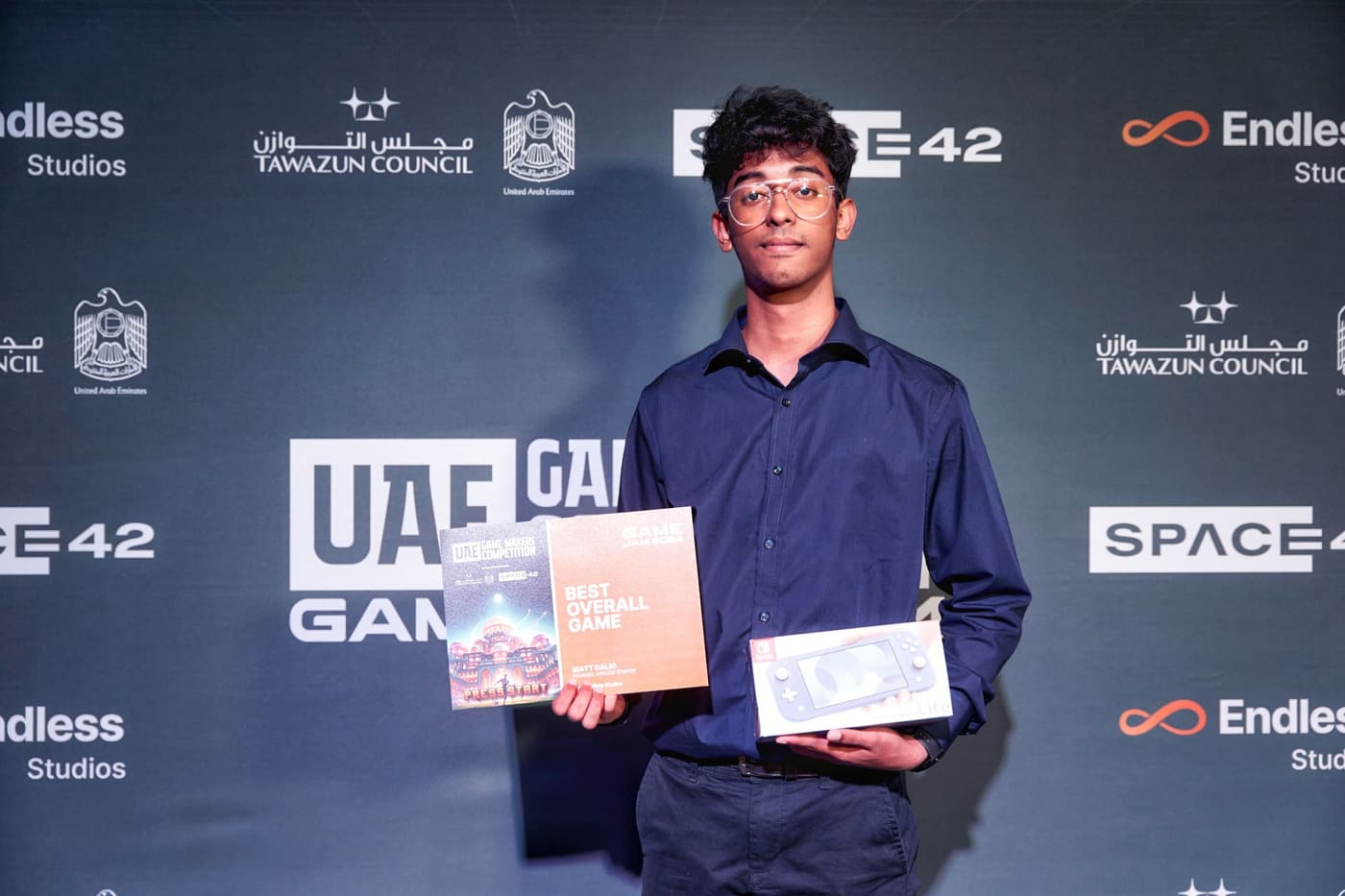
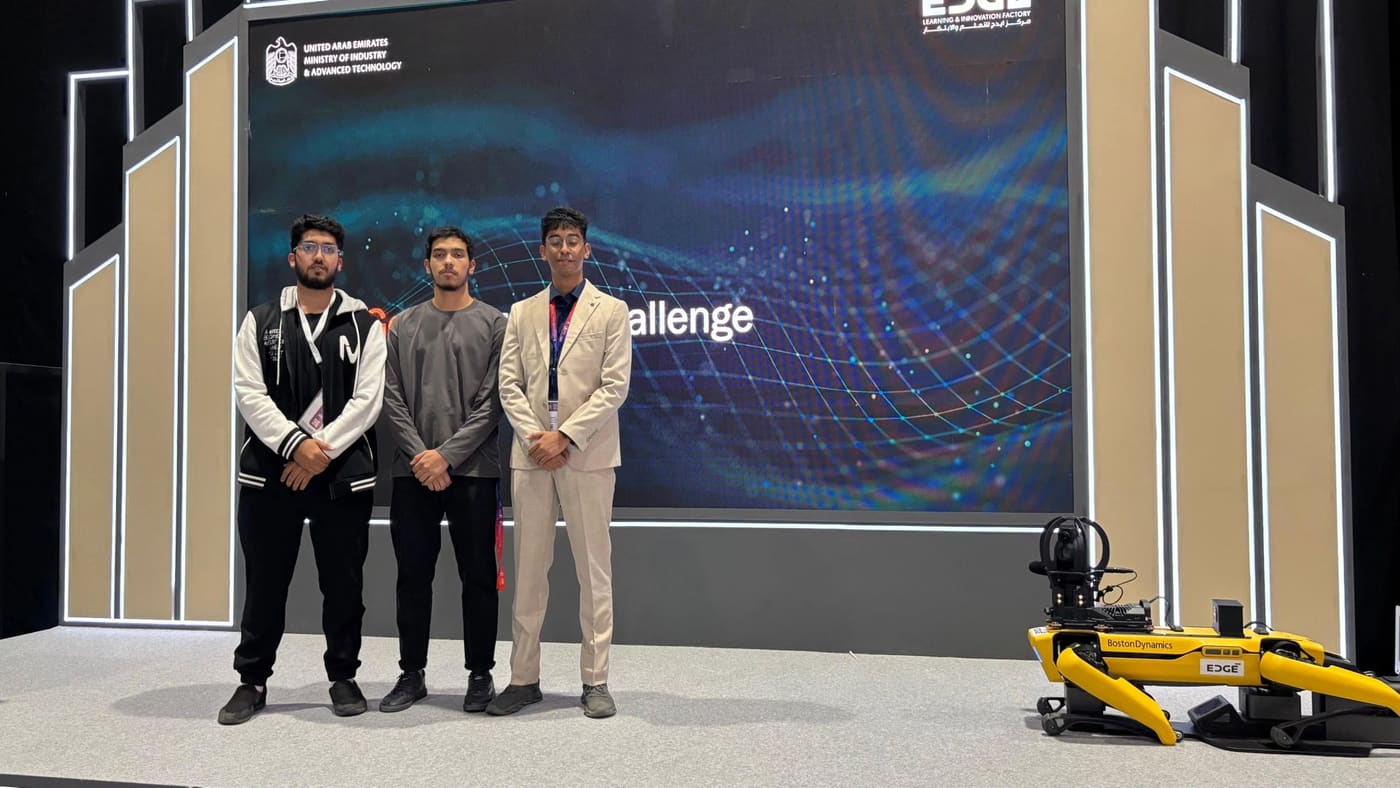
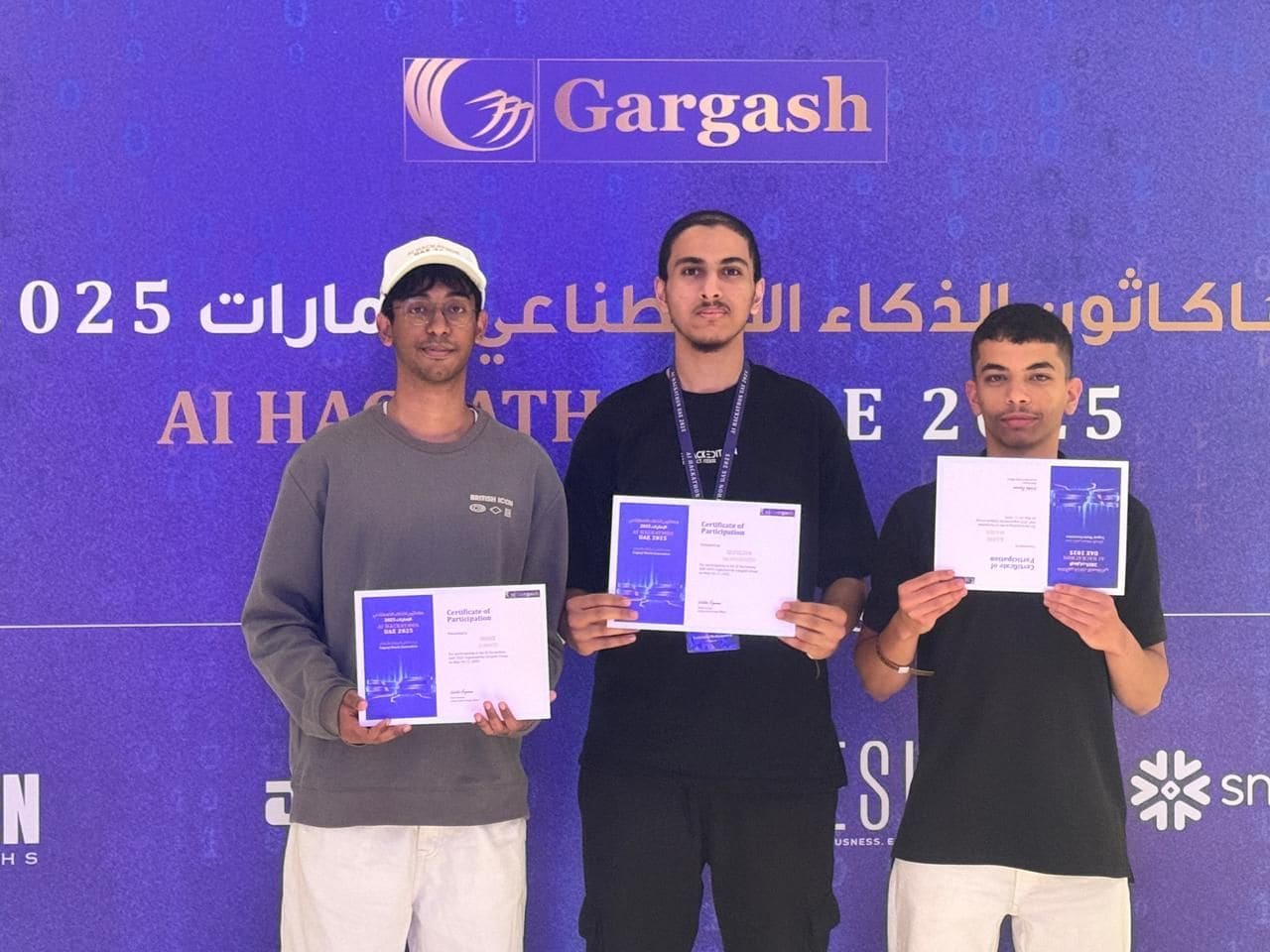
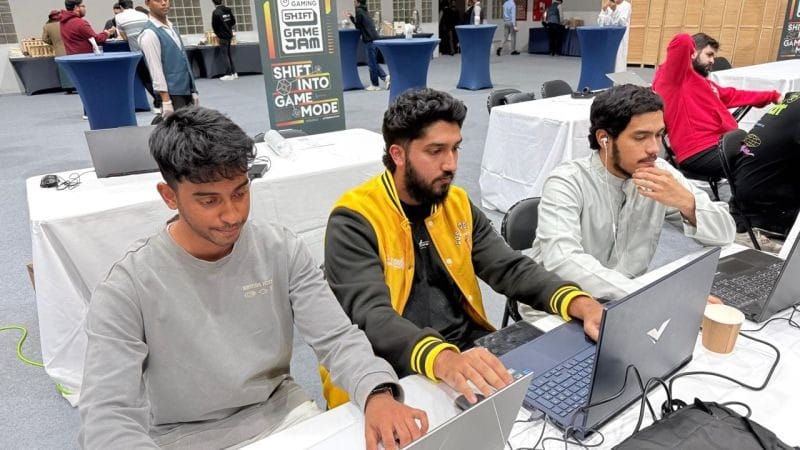
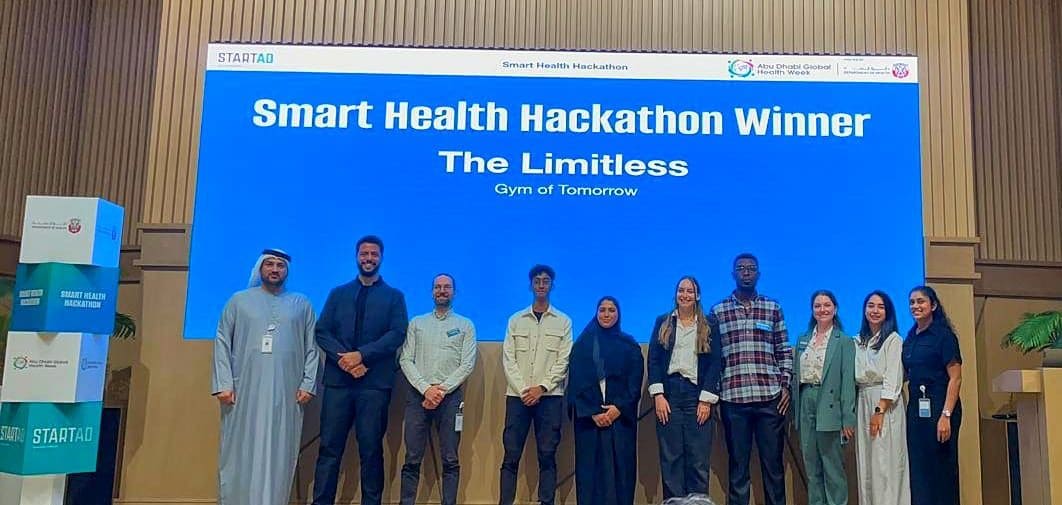
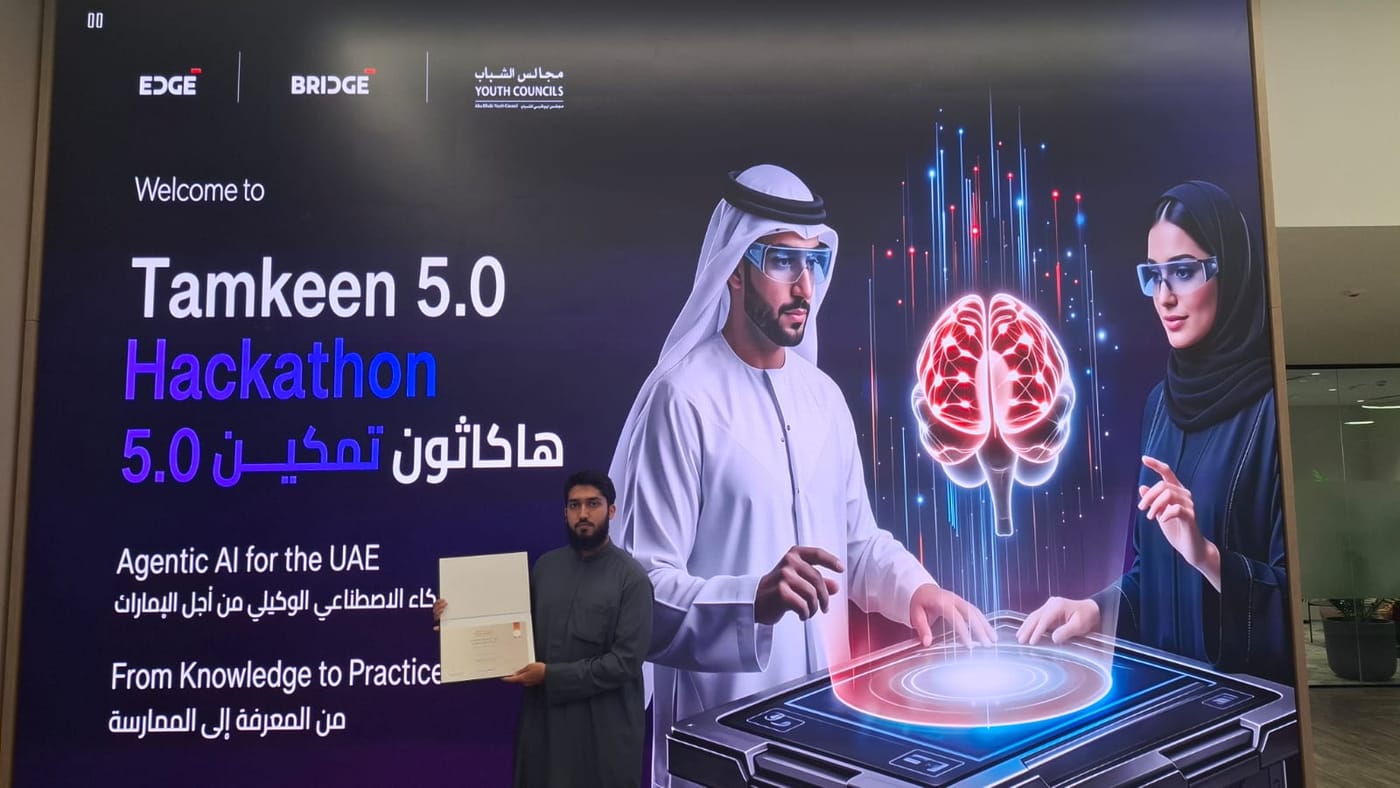
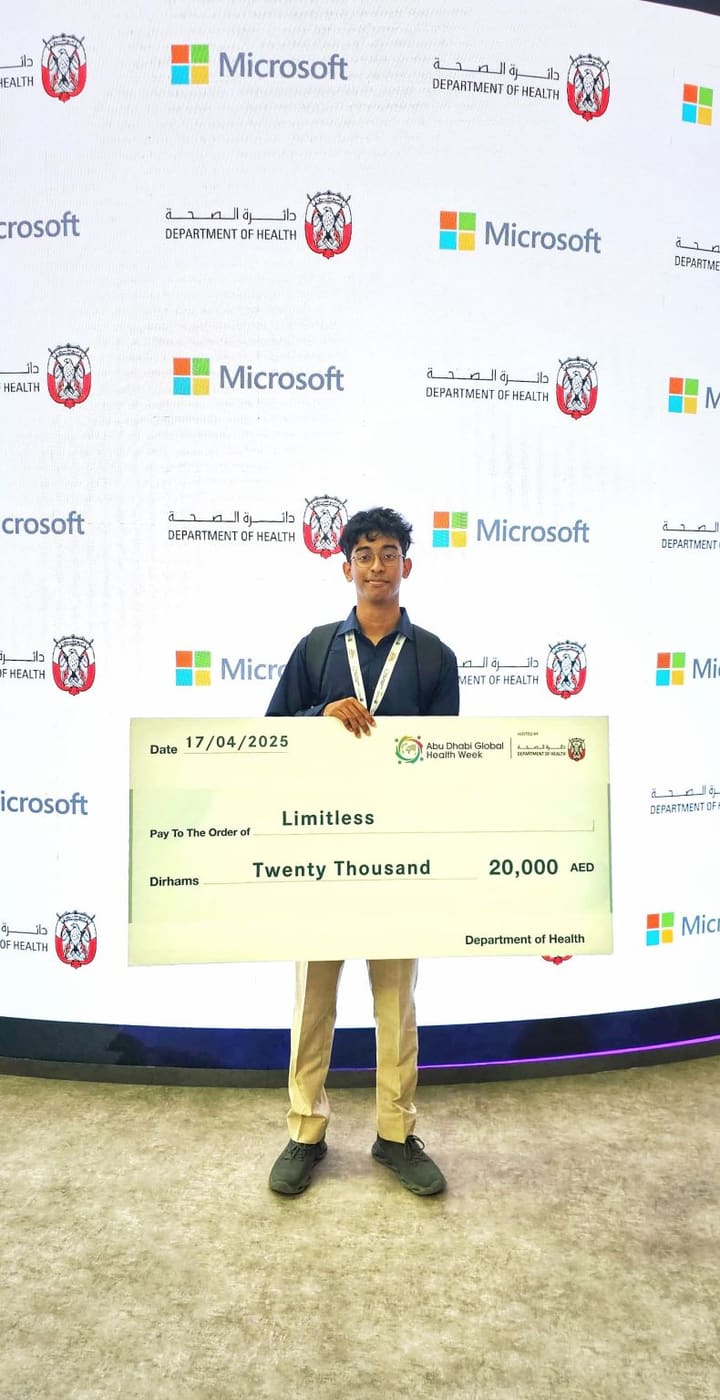
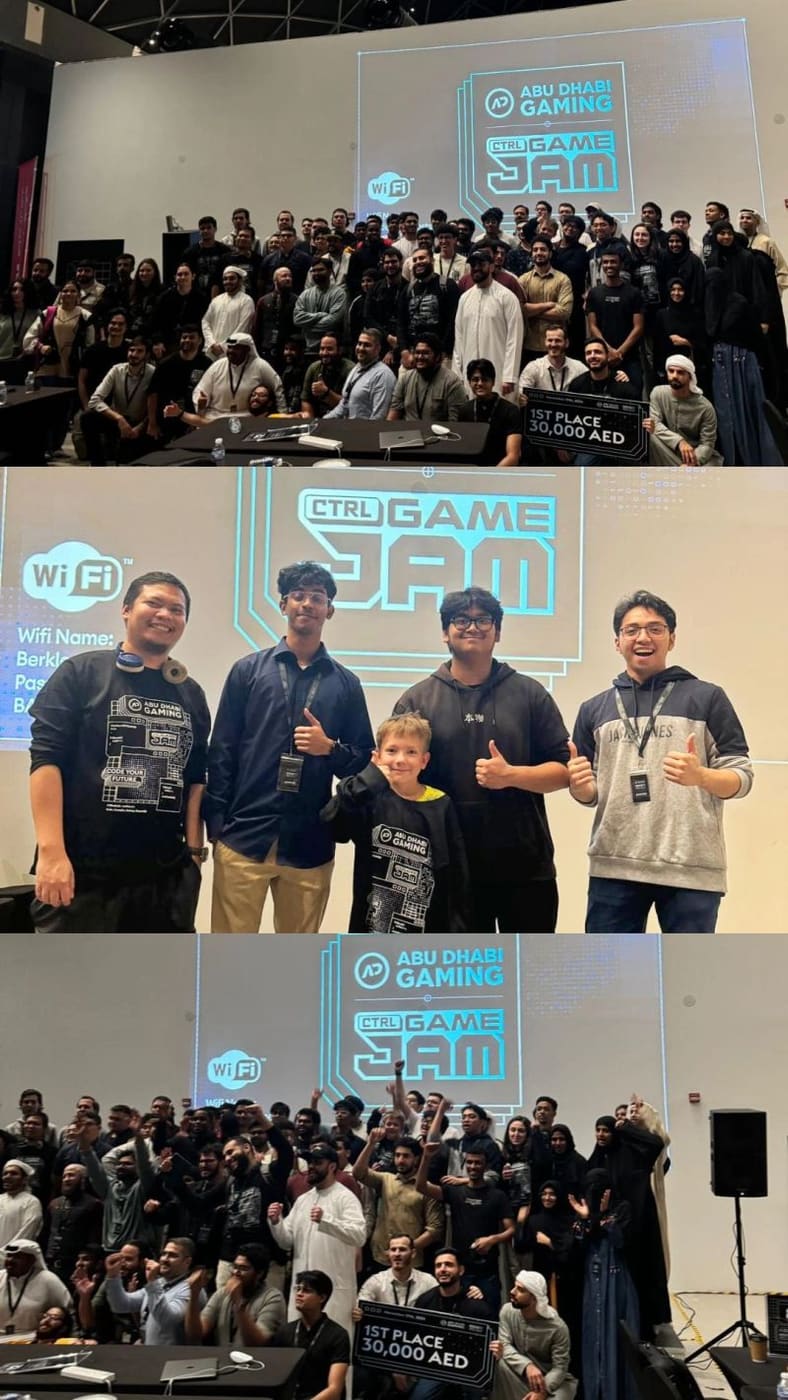
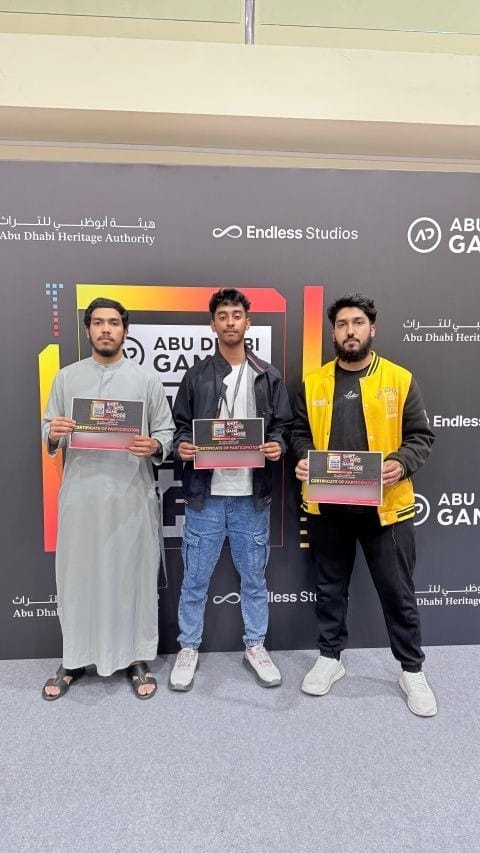
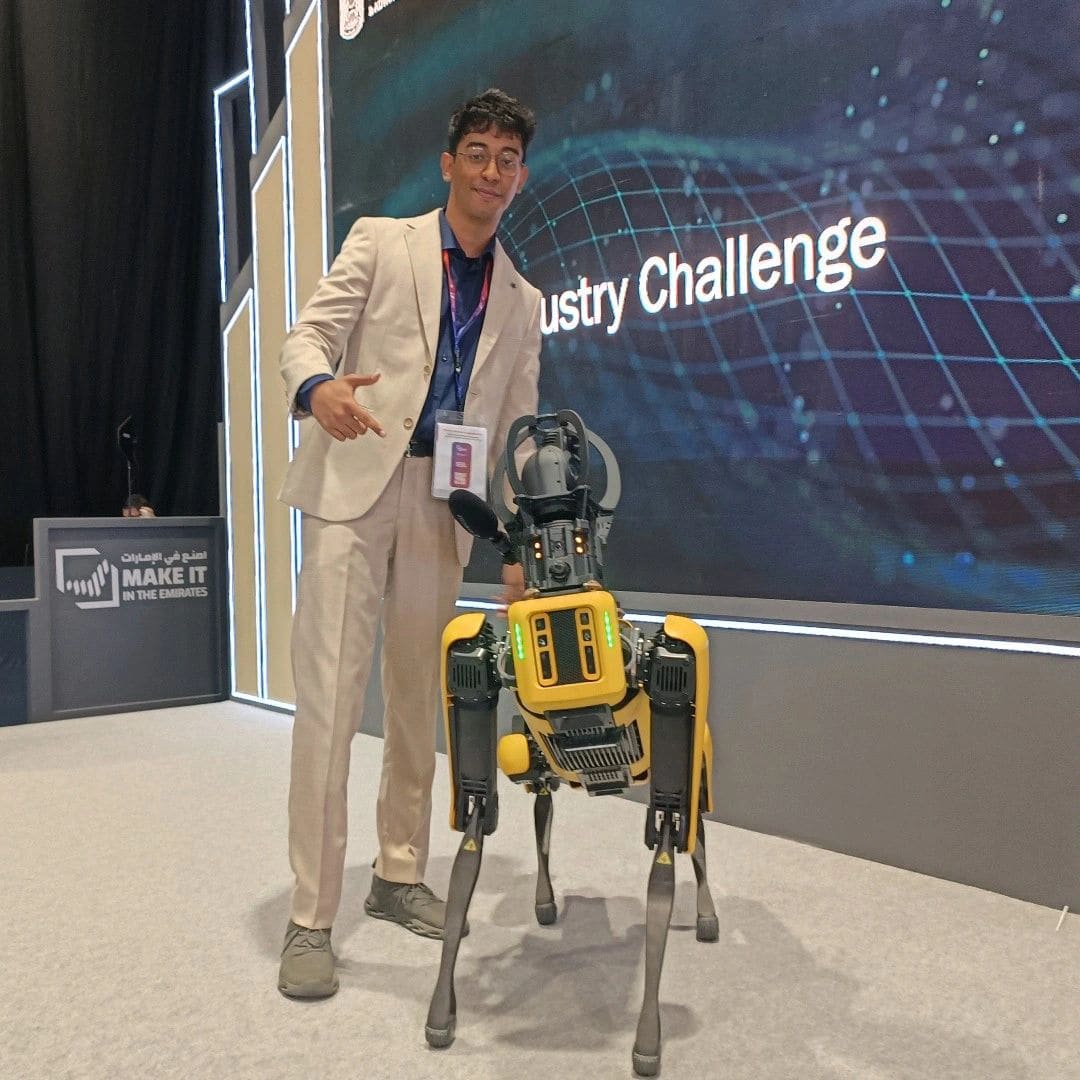
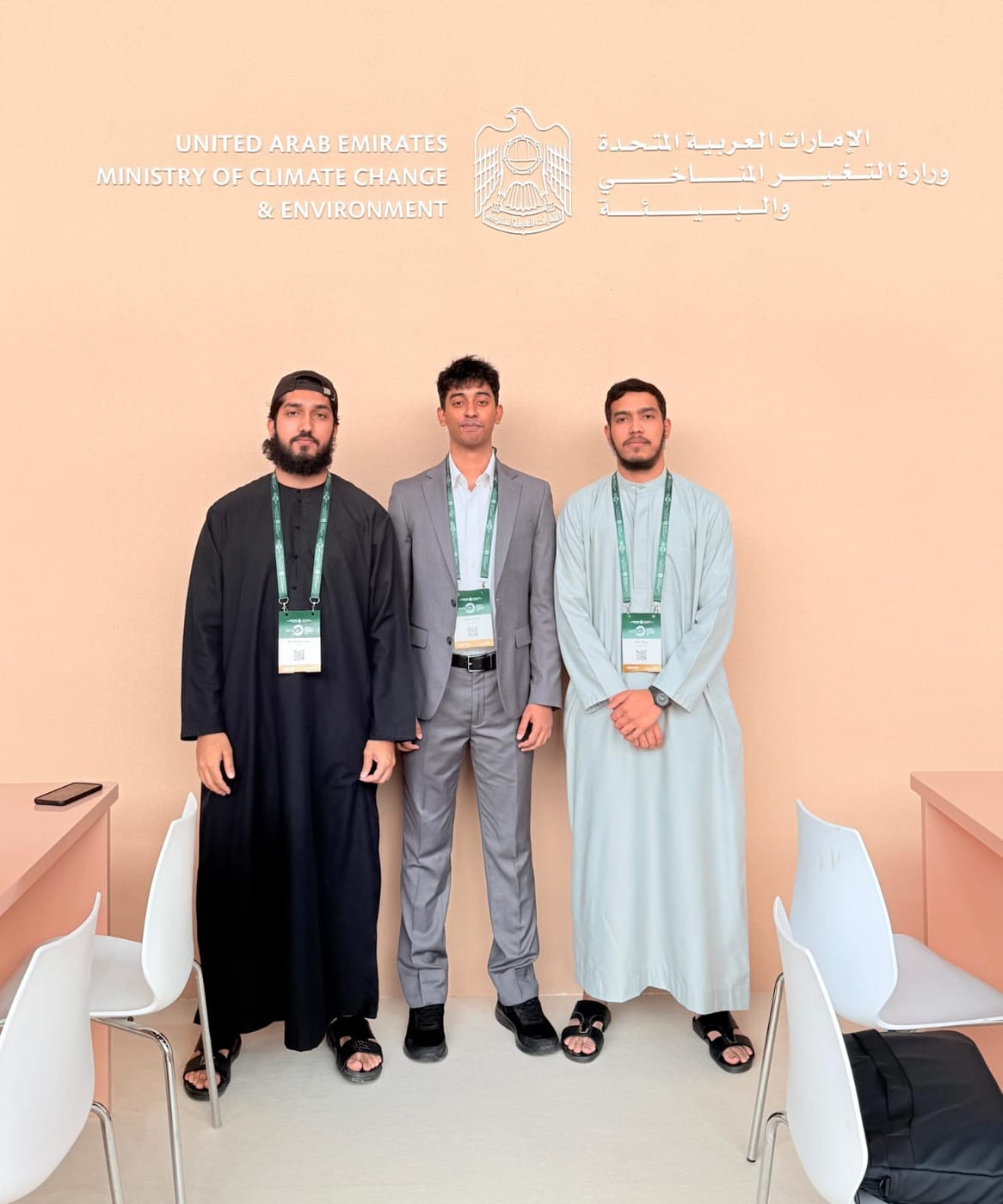
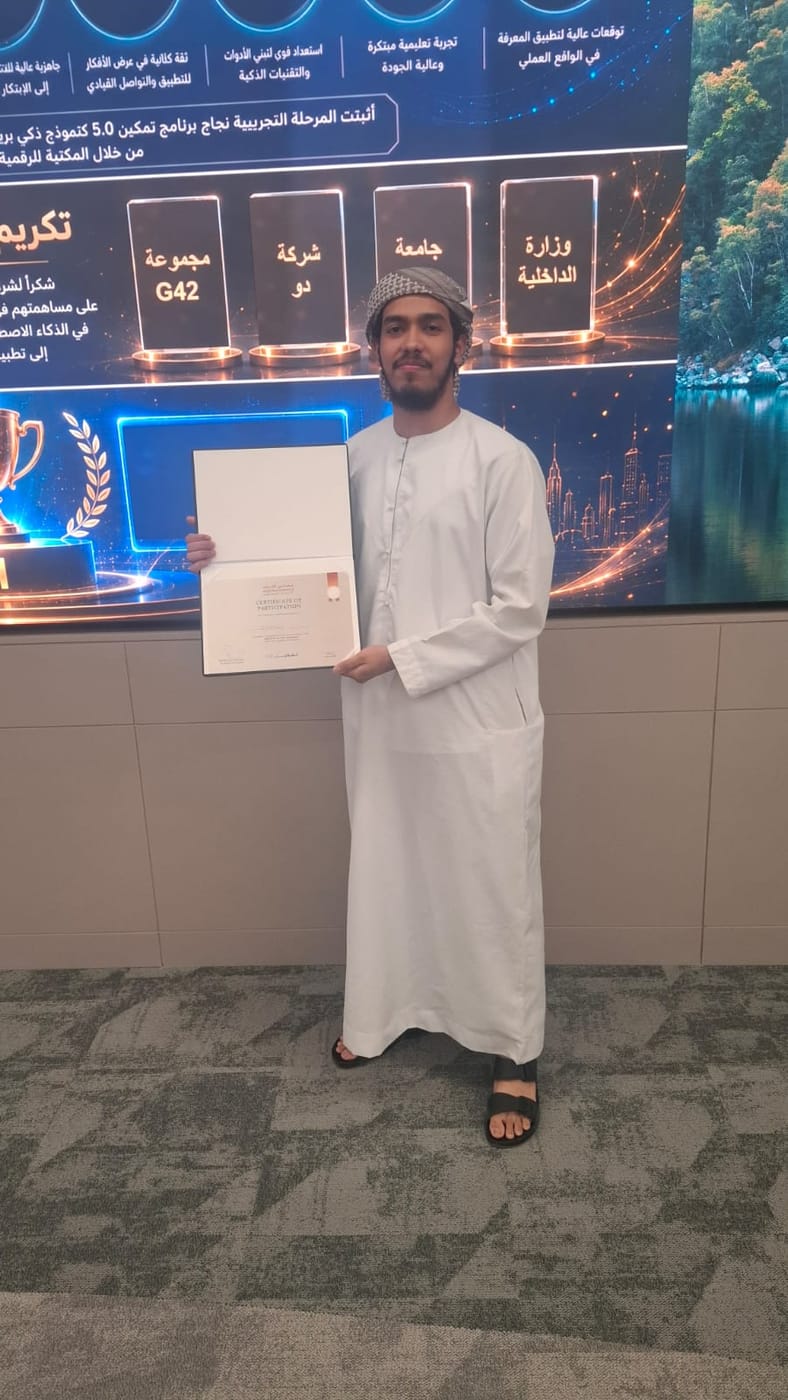
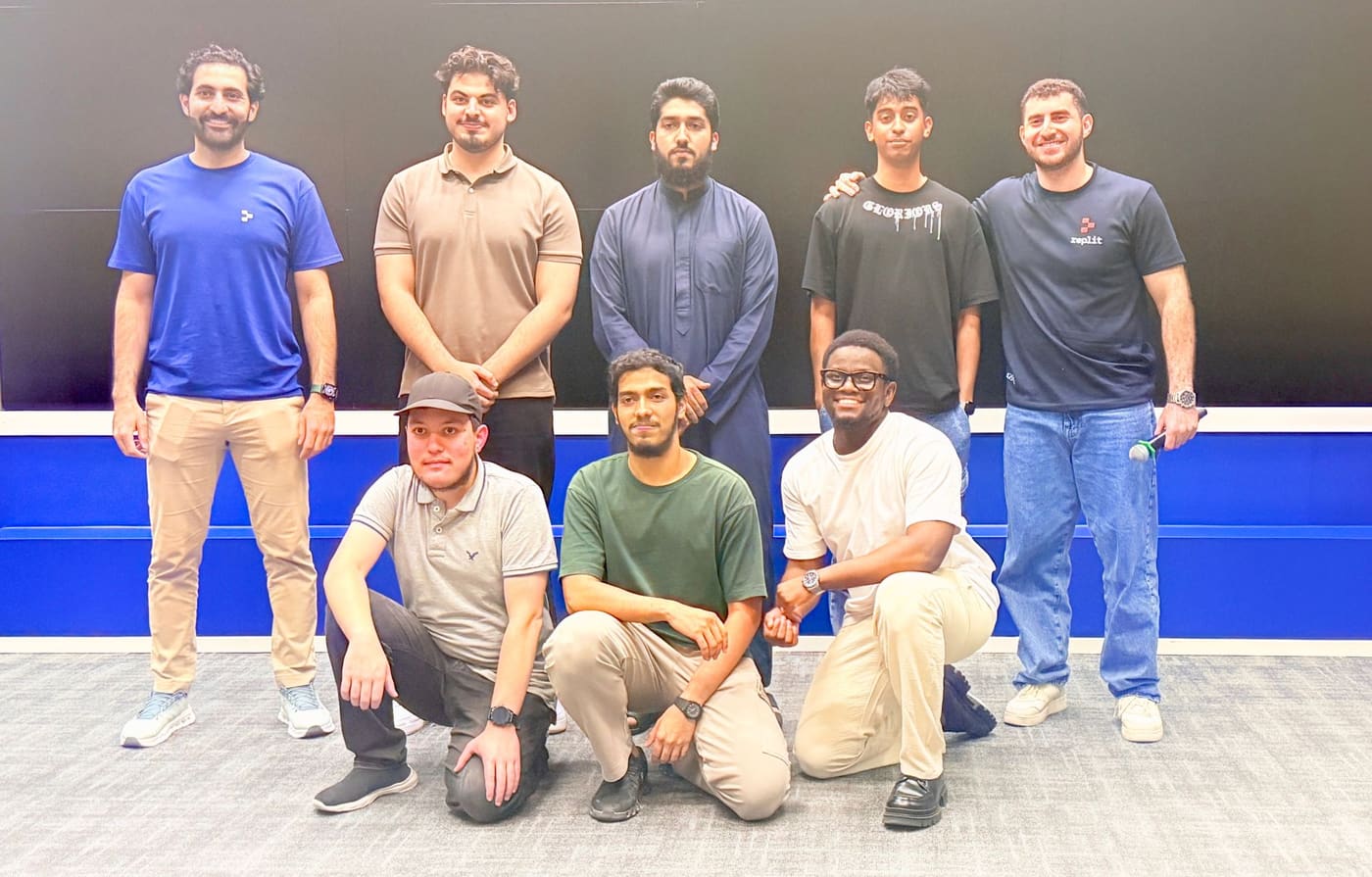
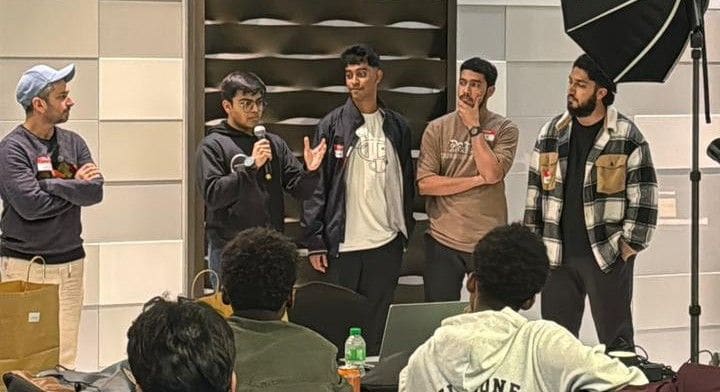
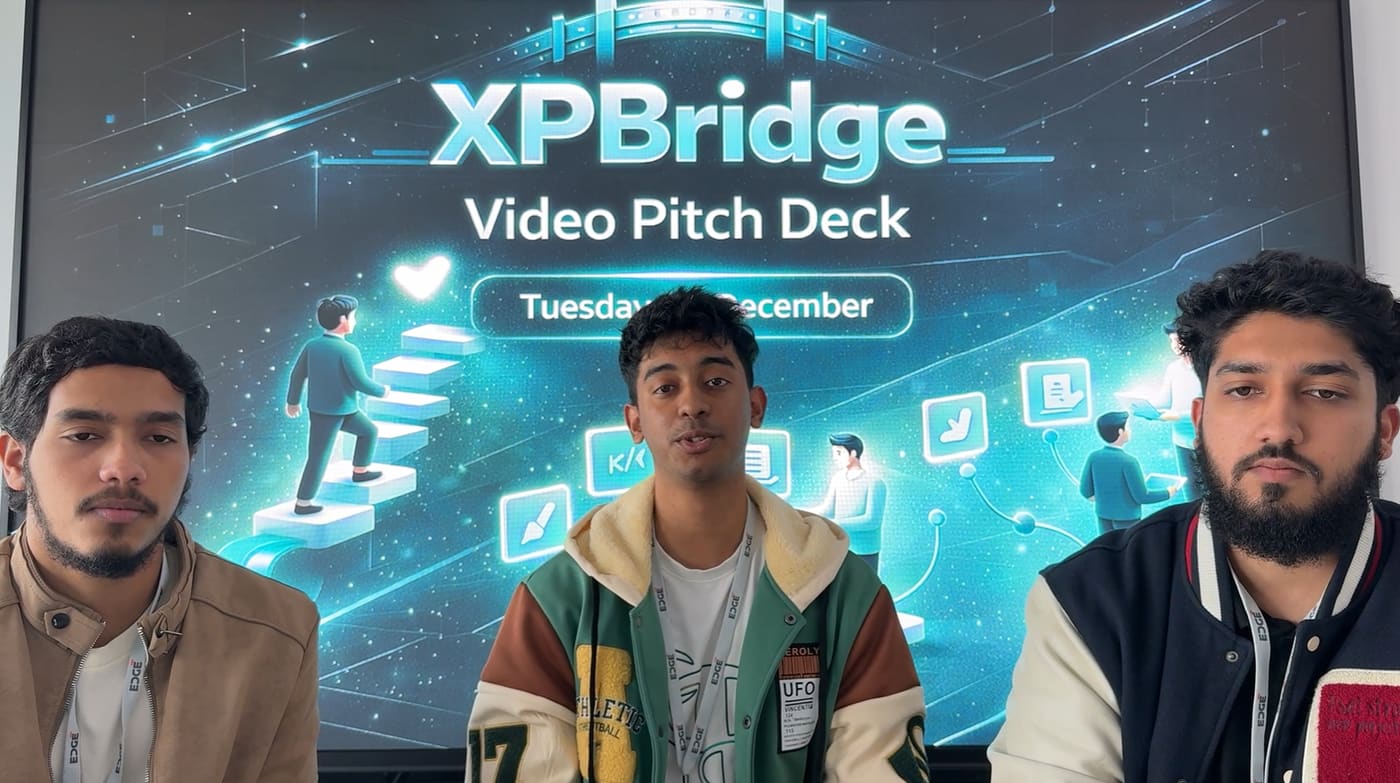
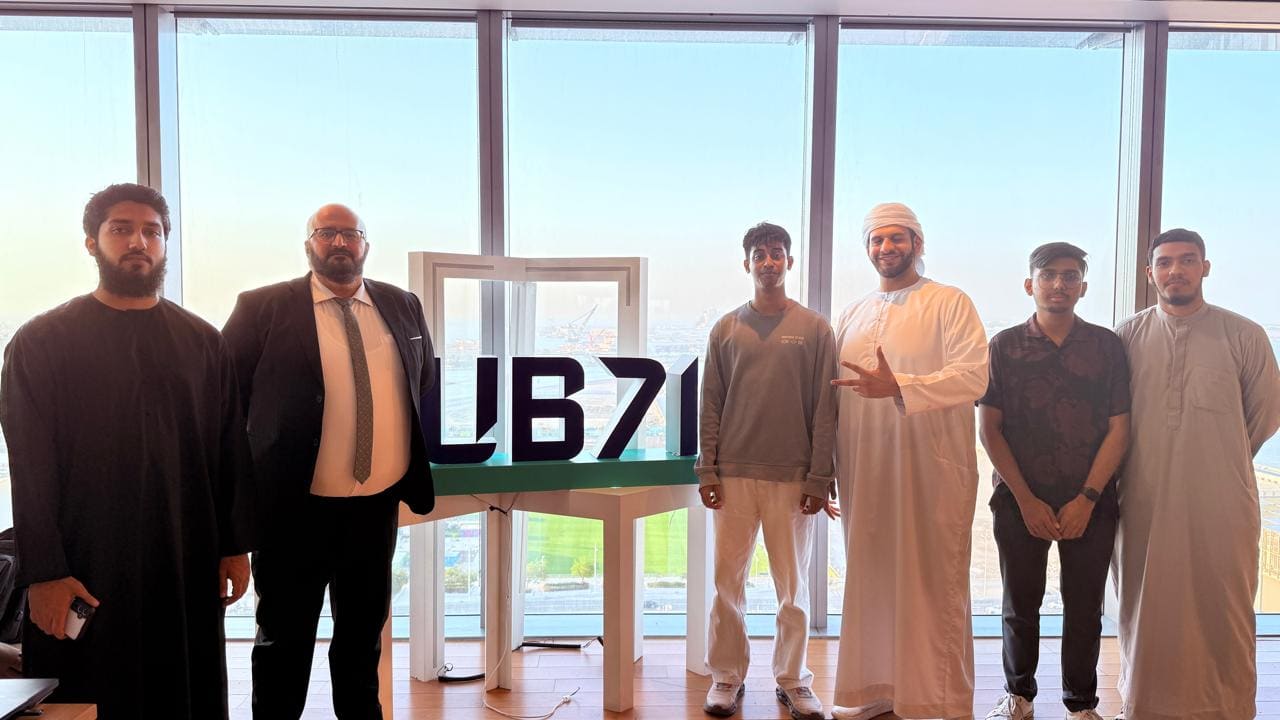
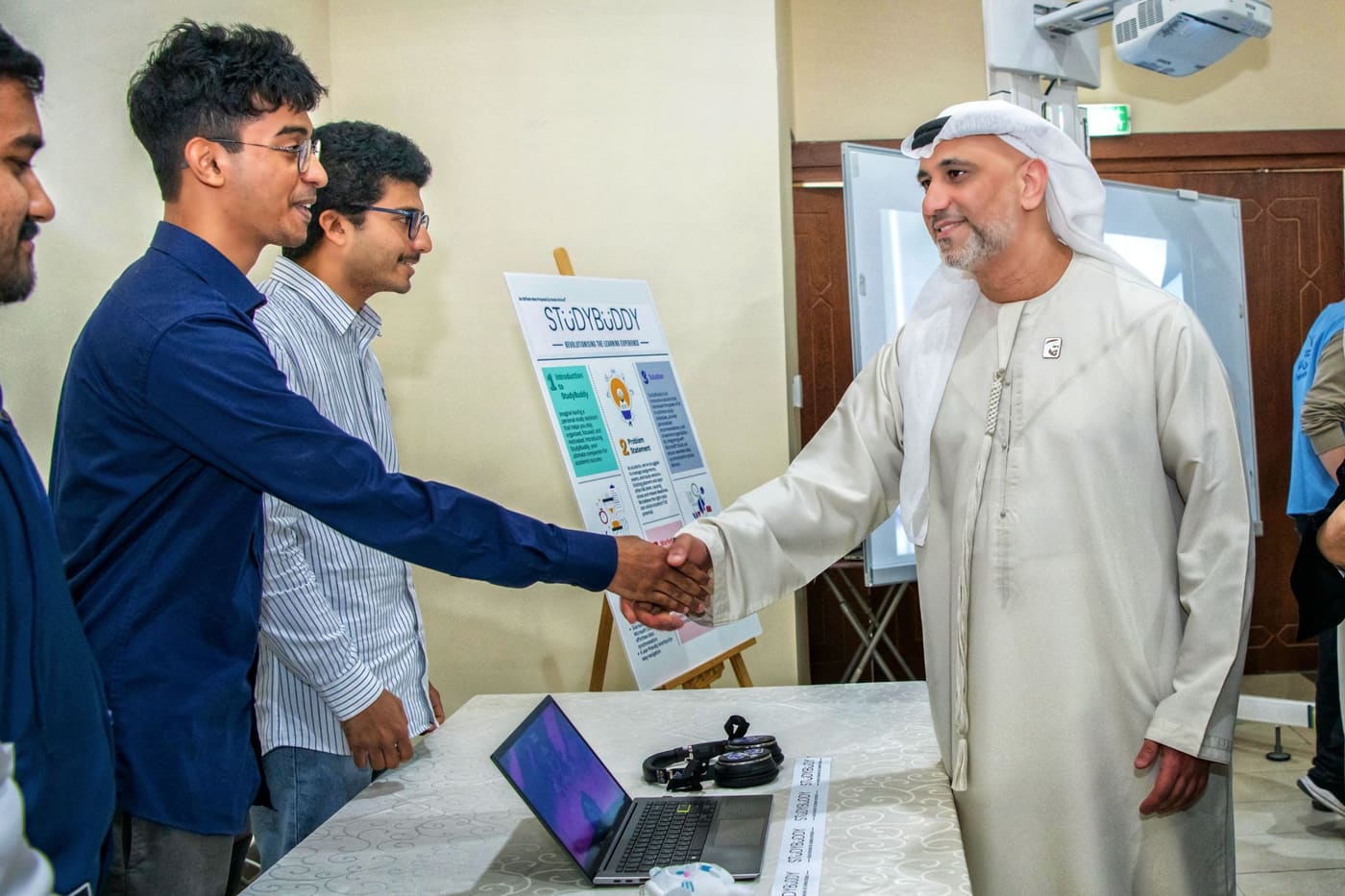
Longer walkthroughs of these builds are published as video: Build videos & proof-of-concept demos.
Four reasons the studio keeps entering, none of them the trophy.
A competition fixes the scope by fixing the clock. What survives is the part of the idea that actually had to exist, which is the fastest way we know to find out whether an idea has anything in it.
A challenge brief drops us into a domain we did not choose - waste auditing, farm logistics, near-Earth objects - and makes us learn its real constraints from the people who work in it.
New models, new runtimes, and new hardware get tried here first, on a build that has to work in front of judges, before they go near a client system.
Someone with no stake in our opinion of ourselves scores the result. That is a harder signal than an internal review, and it goes on the record either way.
Team Kanban has entered 90+ hackathons, game jams and innovation challenges over 6 years, and won 35+ of them.
The three figures above are our own count across six years, and most of that run was never written down anywhere public. These 18 are the ones with a receipt - a dated certificate, a prize cheque, a result slide or a published case study. They are itemised, with photographs, further down.
13 of the 18 documented produced a recorded outcome. The remaining 5 are competitions we entered and built for where no result is on file, and they are listed as entries rather than quietly folded into the total. A recognition is not a placement and a placement is not a win; the record keeps them apart.
Eight areas, each one named because a real build sits behind it.
Turning an ordinary camera into a real-time form coach that flags unsafe movement before it causes an injury, with the model running on the device.
Classifying waste at the bin on cheap hardware and writing a tamper-evident log, so a recycling claim can be audited instead of asserted.
Pooling demand across nearby farms and allocating one buyer order among them before harvest, in Arabic, for growers who do not use software.
Putting live NASA near-Earth object data behind a physics-based impact simulator, so a hazard figure can be explored rather than read.
Taking a short bug replay and producing a reproducible Playwright test, a patch attempt, a verification run, and an evidence pack.
An Arabic-first, offline-capable field app that turns a spoken note into a structured animal record and a vet-ready report, with no install.
Gating a fractional property transaction behind KYC/AML checks, document verification, and a settlement step that cannot be skipped.
A game built for a national game-development competition, where the constraint was a finished, playable thing rather than a slide.
Competition, project, year, result, and the problem it addressed - with a link to the build or the photograph where one exists. Where the record is thin, it says so.
Links here point to our own case studies, to the photographs above, and to builds that are live on the public internet. Where an organiser has published its own results page, that is the better source, and we will link it here as each one is confirmed.
7 competition projects are written up in full as case studies.
On-device computer vision that turns any camera into a real-time form coach - pose estimation detects unsafe movement and corrects posture, running entirely in the browser.
Read the buildAn edge-computing framework for verified circular economy - on-device waste classification, tamper-proof audit logs, and compliance-ready impact exports.
Read the buildAn Arabic-first farm-to-market coordination platform: an AI translator turns free-text demand into farmer-ready specs, and a rule-based engine pools nearby farms and allocates orders across them.
Read the buildTransaction orchestration for fractional and tokenized property deals: KYC/AML checks, document verification, hard settlement gates, e-signature, and a full audit trail behind every stage.
Read the buildAn interactive 3D near-Earth object platform: live NASA asteroid feeds, a physics-based impact simulator, and a hazard-alert system rendered in a real-time WebGL solar view.
Read the buildAn Arabic-first, offline-capable field companion: a spoken note becomes a structured animal record and a vet-ready report, with bookings taken over WhatsApp and no app install.
Read the buildA pipeline that turns a short bug replay into a reproducible Playwright test, an automated patch attempt, a verification run, and a shareable evidence pack.
Read the buildThese have no write-up here yet - some have a repository or a live build, some only a name and a weekend behind them.
Team Kanban is small on purpose. A competition weekend has no room for a handover, a spec review, or a second opinion that arrives on Monday - so the team is sized at the number of people who can hold the whole build in their heads at once.
We do not publish individual profiles anywhere on this site, and that includes here. The engineering and research disciplines behind the work are described on the About page. If you build like this and want to do it with us, the open roles are on Careers.
A competition build is a prototype, not a product. This is the route the few that survive actually take.
Team Kanban is the competition and experimental build team inside Kanban Studios F.Z.E, a software and AI studio in the United Arab Emirates. A small group of the studio's engineers enters hackathons, game jams and innovation challenges, builds a working system against the deadline, and keeps the ones worth keeping. Projects span health, climate, space, agriculture, robotics and developer tooling.
Yes. Team Kanban is not a separate company. It is the competition and experimental build team inside Kanban Studios F.Z.E, staffed by the studio's own engineers, and it is how the studio runs its experiments.
Working systems rather than slideware. The record includes on-device computer vision for injury prevention, edge AI for verified waste reporting, an Arabic-first farm coordination platform, a near-Earth object simulator on live NASA data, an automated bug-reproduction pipeline, and a game.
Yes, and in game jams and innovation challenges. Team Kanban has entered 90+ hackathons, game jams and innovation challenges over 6 years, and won 35+ of them. 18 competitions are documented here: 7 first-place finishes, 4 podium placements, 2 further awards or recognitions, and 5 entries with no result on file. Each documented one carries its competition, project, result and, where one exists, a link to the case study, the live build, or a photograph of the certificate or prize.
Most stop there, and that is the point of the format. A project that holds up is written into a case study under /work, and a prototype with a plausible route to real users can go on into Kanban Labs, which handles hosting, launch, and support.
The United Arab Emirates. Kanban Studios F.Z.E is based in Abu Dhabi, and Team Kanban competes mainly in UAE hackathons and innovation challenges, alongside online events.
